
Leave a reply

https://elknetwork.com/rmef-sportsmens-alliance-file-brief-in-support-of-yellowstone-grizzly-management/
 The Esbit folding pocket stove has been in service since the mid-1930’s. It has seen use by the German military, NATO and several government agencies for the past 80 years or so.
For our purposes, lets examine the Esbit as a simple, fool-proof stove that’s small enough and light enough to fit in any car kit, bug-out bag or backpack.
The Esbit measures 3 ¾” x 2 7/8” x ¾” and weighs just 3.5 oz.
Each solid fuel cube weighs just .5 oz. and will burn at approximately 1400 F for 12-15 minutes.

The Esbit is best at boiling 1-2 cups of water for hot drinks or reconstituting dehydrated or freeze-dried foods. Once lit the solid fuel cube burns at full intensity. One can blow the cube out if there is any left and re-light for the next heating chore. Be advised, however, that despite the literature the solid fuel does give off an unpleasant odor and will smoke for a few moments after the fire is extinguished.
I would not recommend using the Esbit in an enclosed shelter because of the fumes and smoke.
I conducted 3 timed tests to determine the boil times for the Esbit.
Test 1: 2 cups of water in a GSI Bottle Cup with a homemade lid from a cookie can.
Beginning water temp was 70 F, outside temperature was 77.9 F with a slight breeze.
For this test I used just the Esbit stove, one solid fuel cube and no windscreen.
The water did not come to a complete boil in the breezy conditions. It did reach 160 F and the fuel cube burned for 12:35.

Test 2: 2 cups of water in the same container. This time I used a home made windscreen made of an aluminum oven drip pan. Total weight for the screen is .5 oz.
This time the water reached a full, rolling boil in 6:54.
The cube continued to burn for an additional 6:19.
Total burn time for the cube was 13:13. In this instance the cube could have been extinguished and then used to heat another container of water and get very close to a boil on the second container.
As you can see, having the windscreen increases the efficiency of the Esbit stove dramatically. It allows your water to come to a full boil and does so with less fuel.

Test 3: For this test I filled a GSI Soloist aluminum pot with 32 oz. of water.
The water starting temperature was 68 F.
I used 2 solid fuel cubes in the stove and the windscreen.
The time to a full rolling boil was 14:31 and there was just a little wafer of tablet left from each fuel cube.
Using the stove in this fashion, 2 people could team up for preparing freeze dried meals and hot drinks. While not quite as efficient as heating 2 cups at time, at least the option is available.

The bottoms of the containers will collect some soot and residue from the Esbit fuel cubes. It is easily removed with soap and water or a quick scrub from sand in a nearby stream.


Lets discuss the components mentioned above and how they can be combined and integrated to assemble an excellent lightweight cooking solution for your hiking, backpacking or BOB kit.
The GSI Bottle Cup is a versatile and robust piece of kit. It’s made of stainless steel with two folding handles. It slips easily over the bottom of a standard 32 oz. Nalgene bottle. You can find the cup at Campmor for $10.95. The one downside to the cup is that it has no lid. I solved the problem by scouring the internet and found a couple of interesting solutions. The best I have found to date and have been using for at least 5 years is the lid off a can of Pirouette cookies from Pepperidge Farm. I drilled a hole in the center and installed a pop rivet for a small handle. The lid allows me to keep beverages hot, boil water faster and keeps my 50-foot hank of paracord, a silk bandana and my Zebra light safely stowed in my pack. Note: Some cups and cookie tin lids do not fit as well as the ones I have. You may have to find several cups and eat several tins of cookies to find a good fit.
My windscreen is simply a heavy aluminum foil drip pan for the oven. I roll it tightly to store in my pack and hold it together with two large paperclips. The aluminum can easily be cut with old scissors or kitchen shears. Make yours large enough to surround your stove and the container you use the most. I cut mine to be as high as the stove with the container on it. I also cut a little slot for the handles to protrude from so I can easily remove the cup from the stove. A few vent holes punched around the bottom with a paper punch and you’re good to go!
The kit that I have constructed consists of the Esbit folding stove, butane lighter, fuel cubes, the GSI cup and lid, windscreen and a GSI spoon. The stove, lighter and fuel cubes are conveniently carried in a custom container designed and sewn by my wife. With 16 fuel cubes the entire kit weighs in at 16 oz. The 16 cubes should easily get a person by for 4-5 days of cooking chores heating water for meals and drinks. In fact I took only my Esbit kit on an extended high-country mule deer hunt a few years ago to see how the system works long term. After 6 days in the rain I still had 3 fuel tabs left over and no empty fuel canisters to haul home, just a few of the fuel tab wrappers.
Bottom line: The Esbit makes a great back-up stove for your kit or a primary source for heating water if you want to go ultra-light.
It’s not as sexy as a new Jet Boil or MSR Reactor, but there are no seals to wear out or leak. No fuel jets to keep clean and maintain and literally no moving parts to break and no empty fuel cans to carry home and dispose of. And for $10.99 at Campmor it makes a great option for those just getting started in assembling an emergency pack or a basic camping set-up.


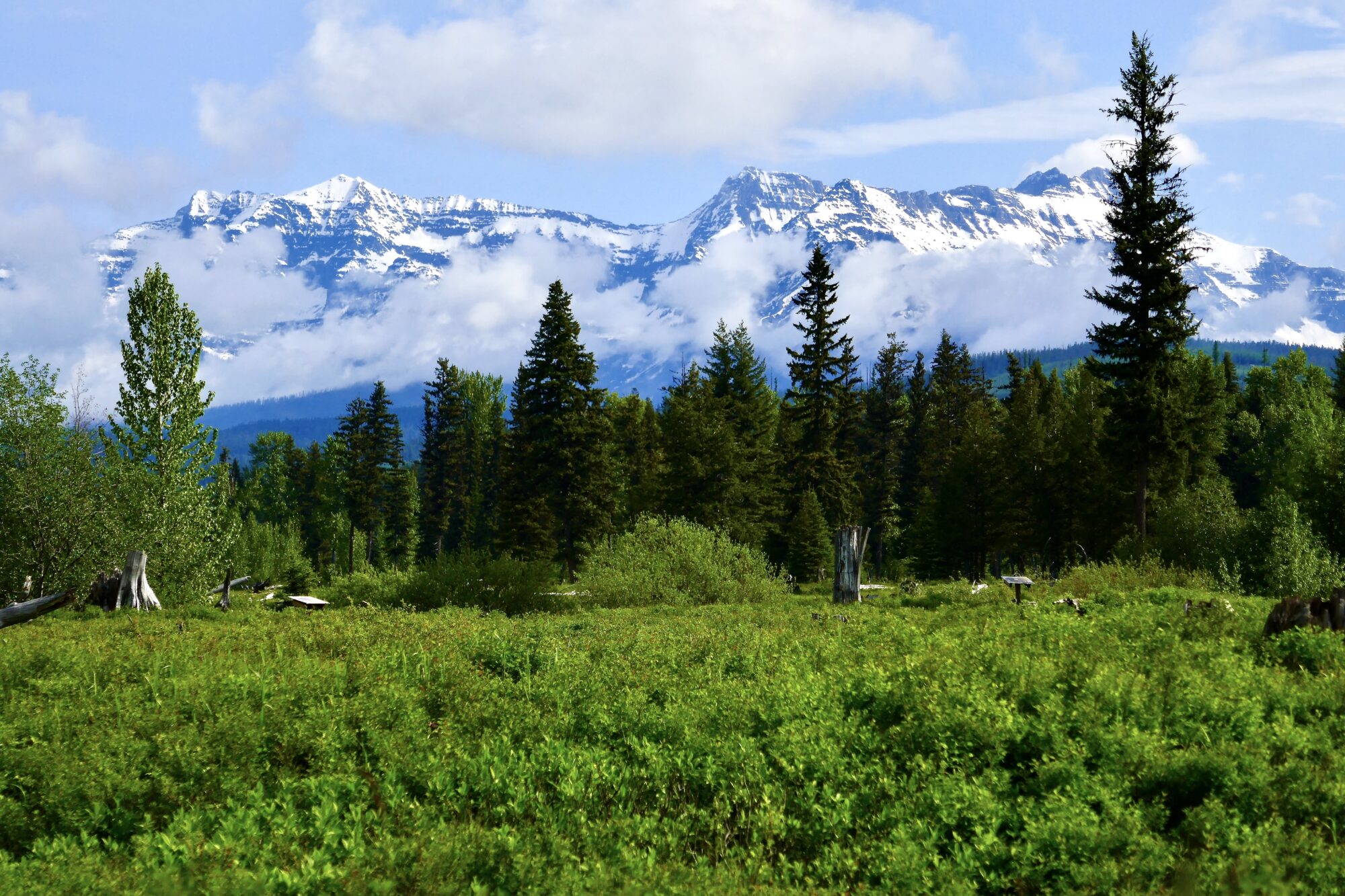
I had been sitting behind the fallen log at the edge of a high mountain meadow for a just a few minutes when the snow squall came. The small flakes swirled in the wind and the mountain peaks disappeared in the fog and clouds. Just then I caught movement to my right on the old pack trail coming up from the creek crossing. A big bull! 5×5! He strolled into the meadow, the snow melting and steaming on his back. He threw his head back and sniffed the wind, then blew, the steam flowing from his nostrils. He looked over his back, then crossed the meadow and disappeared into the black timber. A great experience in a grand place that few venture to whether from lack of desire or lack of ability to propel oneself deep into the wilderness.
For as long as I can remember I have wanted to hunt elk. I grew up with friends in North Idaho who seemed to always draw good tags, knew where to go and more importantly knew about elk and the country they called home. I satisfied myself getting to follow my dad around in the mountains and participate in what we called hunting. I was able to take a few grouse, saw some game and learned how to build a fire in all manner of conditions. And though my dad took my brother and I out nearly every time we asked, we never harvested big game. But the ember still glowed within. Someday I would hunt elk for real and someday I would actually take an elk on its terms, in its country. It would be something special.
Fast forward to about 2002. I had been looking at some new gear and inquired on the Kifaru forums, looking for some first hand field experience with the pack I was considering. A few days later I got a PM back from a guy on the forum and he said he would call me and discuss the gear he had and was using. I recognized the name right off as someone who was getting deep into the woods and had a wealth of backcountry experience. Sure enough a few days later I got a call. This fellow introduced himself as Allen and proceeded to lay out the goods and bads and his thoughts on making this gear better. He had packed in deep and brought out elk on his back with this gear. Wow! This guy is doing what I have been dreaming about for years. The conversation ended with some talk of hunting and my frustration with trying to figure out the wily wapiti on my own. Allen says, “I have a place where you can sit on a meadow at the end of the day and at 5:05pm the elk wander out of the timber and you fill your tag. I’d be happy to take you in sometime and see if we can get your elk.” Wow! This guy just met me, on the phone, and is offering to help me fill my elk tag. This could really be something.
That summer we went on a 3 day trip into some high lakes. We fly fished, sat by the fire and had some beers and got to know one another. Turns out we fit pretty well and we’ve been into some crazy steep and deep places, fished and hunted and shared a fire and tent for many nights since that fateful phone call in 2002.
During the those years Allen made a major career change and started his own company. My wife and I relocated twice and changed jobs. I hunted in Africa. Went to Kansas to hunt buffalo and took a few deer over the years. Then, in 2012, the stars aligned and we were headed to Allen’s place together for the first time. Allen’s friends Pat and Rich joined in this trip and we shouldered our packs and headed down the trail in a foot of new snow and howling winds. I immediately took note of the fact that we were losing elevation rapidly. Who hunts elk downhill from their truck and the trailhead? Thought two: this is a pretty steep trail.
We reached the camp site a few hours later and set about getting our Kifaru tipi and stove set up, cut a bunch of wood and got settled for the next few days. That night we were on the meadow I had heard so much about. The light was fading. 5:05pm came and went. No elk. OK, it’s only opening day. We have 4 more days if we need it.
The next day was spent getting really settled in and taking some short hikes downstream to sit on some known crossings the elk use regularly. We agreed to meet at camp at three p.m. and make our way back into the meadow for the evening. I sat on the northern most corner and could see the main trail coming into the meadow and a small crossing south of me. Allen and Rich moved up to the opposite corner at the edge of some heavy timber. I was settling in listening to the night sounds, occasionally hearing cow calls on the bench above. A light drizzle was starting and I scrunched further down into my silk scarf to ward off the chill. Then it happened, a single shot broke the wilderness silence. I was instantly on full alert for movement, sound, the tell-tale tan rumps in the timber. Nothing moved. All was silent. I looked at my watch: 5:07pm. Wow, there really is something to this place.
I rendezvoused with Allen and Rich on the other end and sure enough Allen had an elk down. We radioed Pat to meet us and help pack meat back to camp. By now the rain was pounding down as we skinned, boned and packed the meat for our trip to the tipi. This was really living for me. We had an elk down, a warm Kifaru stove, a gentle rain and good friends sharing a grand hunt.
Fast forward a year. This trip only Allen and I made elk camp. Suffice it to say I learned more about the country, and had up close encounters with cows and big bulls, but no spikes. We endured a night of pure terror as a series of mini-cyclones ripped up the canyon and dozens of big trees toppled in the pitch black night. We sat up most of that night with a few essentials ready to go in case we had to abandon our camp.
Those two years in the wilderness were awesome. I learned the meadows, the old pack trails, the creek crossings and endured some horrendous weather. But the third time, as they say, was the charm.

Home in the Wilderness
Opening night found Allen and I on the southwest corner of the meadow in a steady rain. 5:05pm and the first cows and calves moved into the meadow. A big 5×5 sauntered out and laid down not 75 yards from us. Then, as the light failed I saw what may have been a spike. But from my vantage his head and neck merged with the black timber behind him and I could not be absolutely certain it was a legal elk. I watched until my eyes watered. It seemed like hours, but really was only minutes when Allen’s little Kimber barked, the elk faltered and the small herd vanished from the meadow. It was, in fact, a legal spike and Allen had a sure view from his hide.
We spent the night skinning and boning and in a howling wind, pouring rain and again big timber crashing to the ground all around us. Nothing like a little hardship to sweeten the experience of an elk well earned.
Normally with an elk down the hunt is over in this little slice of heaven. However, this year we had friends with horses to help us out. Two elk was a possibility.
The next afternoon we made our way to a different meadow deeper in the canyon. As I got set up Allen made a long loop along the creek on the bench below to see if any elk were moving along the bottom. He had just made it to my sitting spot and was just getting set up when I saw legs coming through the timber down an unused pack trail. There was a little opening about 75 yards in front of me, maybe 30 yards wide. The elk stepped from the timber and I immediately whispered to Allen, “Spike!”

My meadow view
I laid the Tikka over the log and before the elk crossed the 30 yard opening sent the Nosler Partition on its way. The elk jumped and ran about 30 yards and collapsed in the meadow right in front of us. Holy Cow! All those years of trying to take an elk. A guy I didn’t know from Adam calling me on the phone and telling me he would help me. And now, 60 yards away lay my first elk. Allen jumped up and hugged me, a huge smile on his face. I don’t know who was happier, him or me. We grabbed our packs and walked to the elk. Allen spent time taking lots of pictures to capture this special milestone for me. The rain, wet hair, the elk smell, the antlers and one of my best friends made for a very special evening.

A dream realized!
We skinned and boned the elk and loaded all the meat into our packs for another night hike back to camp. We got the meat hung, stowed our gear and sat down to a well-deserved meal and celebratory cocktail.
The next day we cleaned gear, rested and made a hike up a ridge to call our horse-powered friends. It was a bittersweet call. Yes, they would pack our elk to the trailhead. No, they didn’t think they could take it all with only two horses. OK, work the phones. We contacted our good friend Kevin and my brother, Mike. They were good enough to drop everything the next day, hike eight miles in, grab a quick lunch and then head out loaded with meat. They literally saved our bacon!

Help arrives!
The next morning we broke camp and headed out not only with all our gear, but also a sizeable meat bag in our packs. The sad reality of it was we were packing more on our backs than our horsemen would carry on their pack stock. They limited each horse to only 100 pounds. It was slow going with 100+ pound packs. 8 miles, 4000 vertical feet, wind, drizzle and a muddy trail that looked more like a creek than a trail most of the time. We stopped to eat and drink frequently, both of us watching the other for signs of overexertion, hypothermia and fatigue. When we hit the big bench the fog settled in. Allen gave me his headlamp so we wouldn’t have to take off the packs. The last stretch of this trail drags forever, winding through big timber. It seems like the road is right beside the trail, yet it is another hour of hiking away. As I leaned into the pack straps, Allen slowly pulled away. I was alone with my thoughts and the little cone of light in front of me.
This is how hunting should be. Unplugged, far from the well traveled path. Deep in the wilderness on the elk’s terms, in their domain. Bad weather, a long trail, a pack full of the items needed to survive and pure organic protein of the animal harvested. A secure camp, best friends becoming better friends, laughing, succeeding and suffering together.
The pack belt had long ago rubbed my hip bones raw, my shoulders were aching and my legs were now just taking the steps with no conscious thought. Out of the darkness I hear, “I’m on the road, just a little farther. We made it!” Sure enough, a couple minutes later I join Allen on the road and we see the reflection of the taillights of his truck at the trailhead. It is bittersweet. The suffering of the long pack is over, but so is our hunt and our time together. On the flip side, we have had a great week, we harvested elk and we have a year’s worth of the finest eating meat available and we have next year’s hunt to look forward to.

The end result of a grand adventure